

ART THERAPY
Looking for a therapy approach that lets you express yourself beyond words? Discover our art-therapy offerings that use creative expression to guide you toward greater clarity, growth, and confidence.
What is Art Therapy?
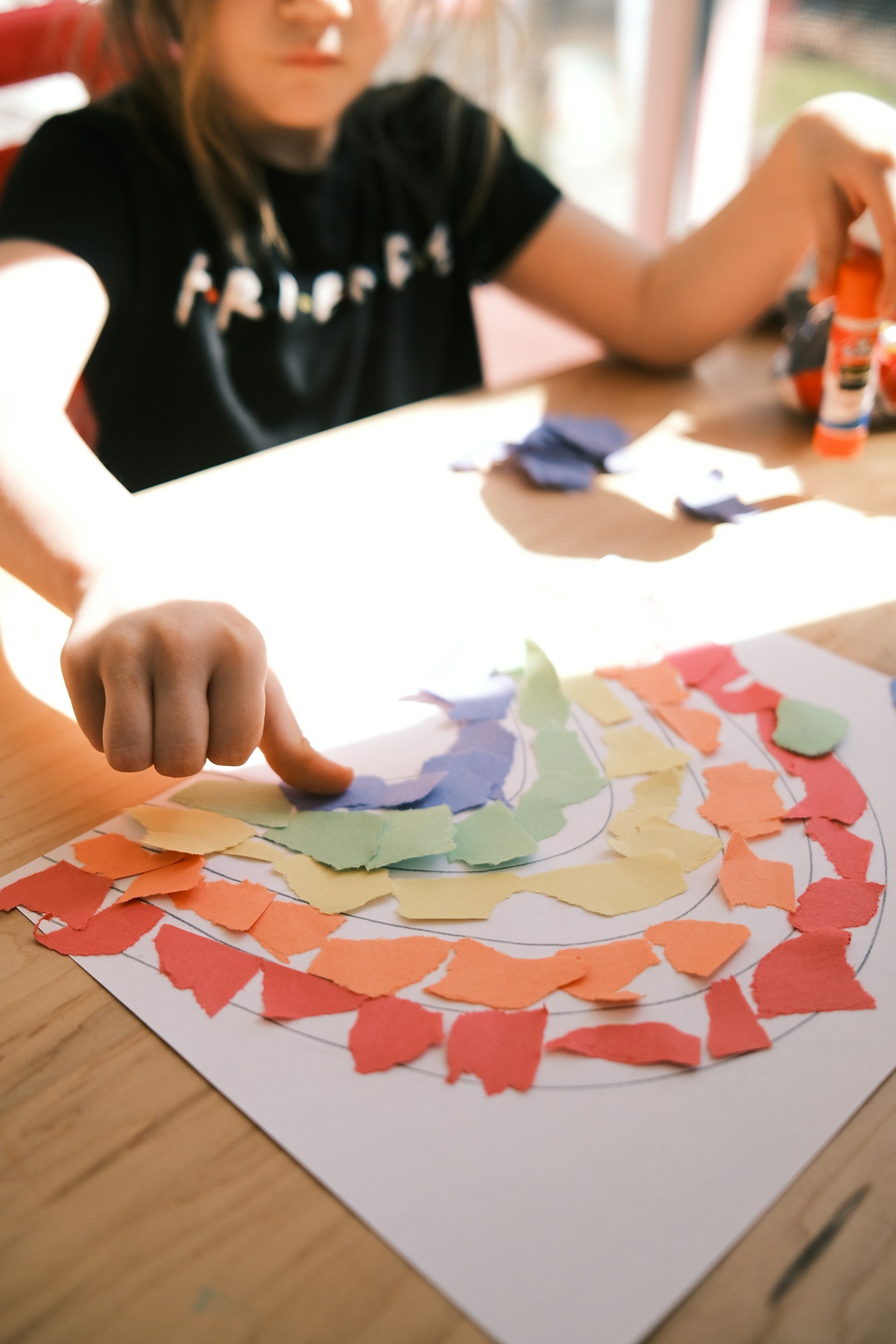
Art therapy blends creative expression with talk therapy to help clients explore their emotions in a safe and supportive space. Making art allows individuals to express thoughts and feelings that may be hard to put into words, creating opportunities for insight, stress relief, and self-discovery. Guided by a trained art therapist, the process is gentle, reflective, and tailored to each person’s needs. Research shows that art therapy can support emotional regulation, trauma processing, and overall well-being. It’s a flexible and inclusive approach, designed to meet children, teens, and adults exactly where they are on their journey.
Art Therapy vs. Talk Therapy
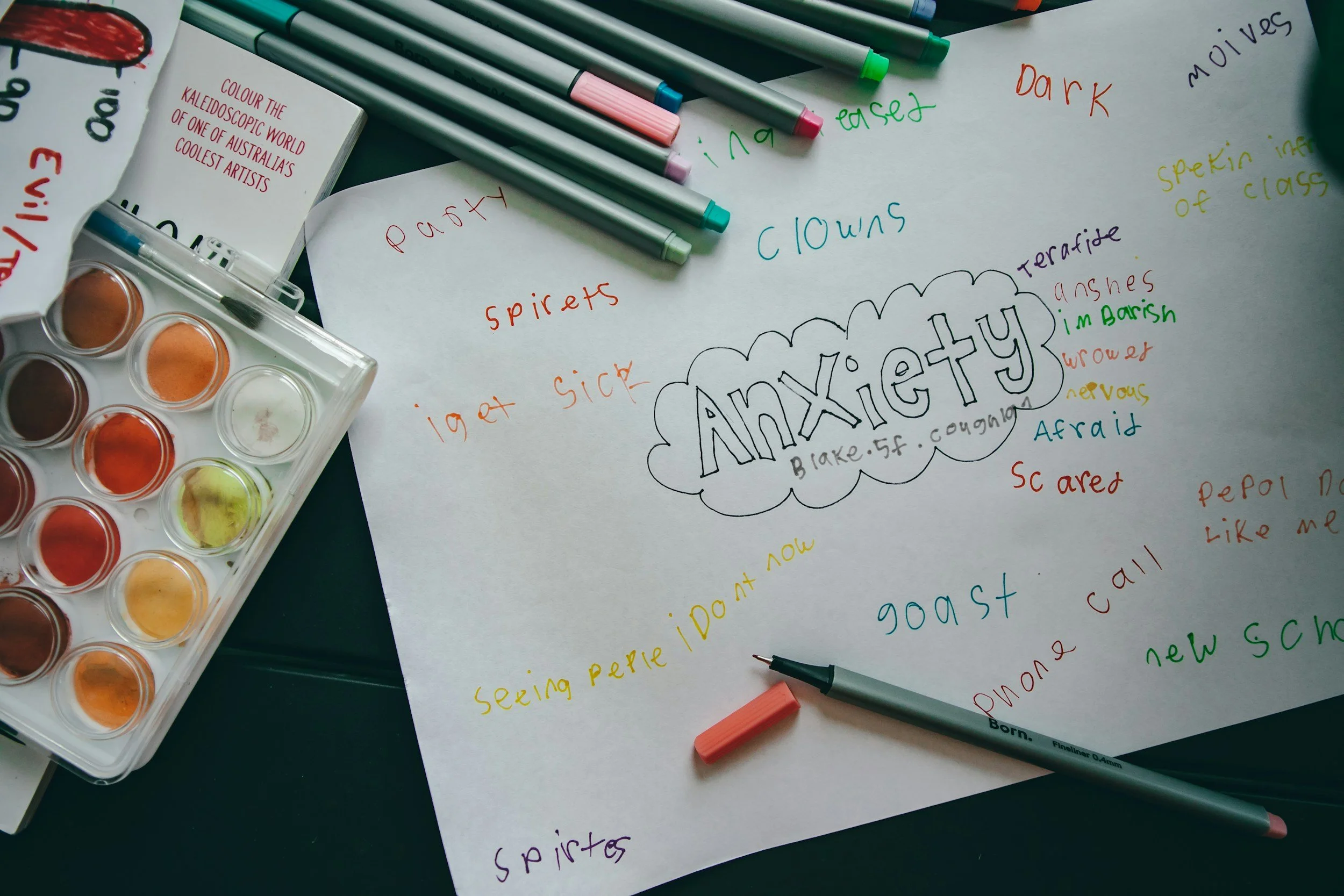
Art therapy can be a helpful approach if you’ve tried talk therapy but found it hard to put your feelings into words. Through creating art, you can explore your thoughts and emotions in a gentle, supportive way, and gain insight into why you think or behave as you do. It offers a safe space to process difficult or traumatic experiences without needing to explain every detail. Art also helps externalize emotions and energetic blocks, giving them a tangible form that can be reflected on and understood. This creative process encourages self-awareness, emotional release, and personal growth, all at your own pace.
Art therapy combines creative expression with conversation to help you explore your thoughts, feelings, and emotions in a gentle, supportive way. Sometimes it can be hard to put our experiences into words, and art provides another path to understanding and expression. It fosters a deeper mind-body connection and offers a softer, more creative approach to working through complex challenges. Unlike words, which can feel limited, art is interpretive and opens up new ways to reflect, process, and make meaning of your experiences.
The Process
Your therapist will create a safe, compassionate space to get to know you. You can share as much—or as little—as feels comfortable.
During your intake session, we’ll use art as a way to explore what’s on your mind and the challenges you’re experiencing.
Together, we’ll talk about your goals and how creative expression can support your growth and well-being.
Intake and follow-up sessions are 50 minutes, giving you a focused, meaningful time for reflection and creativity.
Frequently Asked Questions
Have questions? Take a peek at our FAQ or reach out—we’d love to hear from you. And if you’re feeling ready, you can go ahead and apply whenever you’re comfortable.
-
Art therapy sessions can be billed under psychotherapy. We recommend reaching out to your insurance provider to confirm your coverage and any details specific to your plan.
-
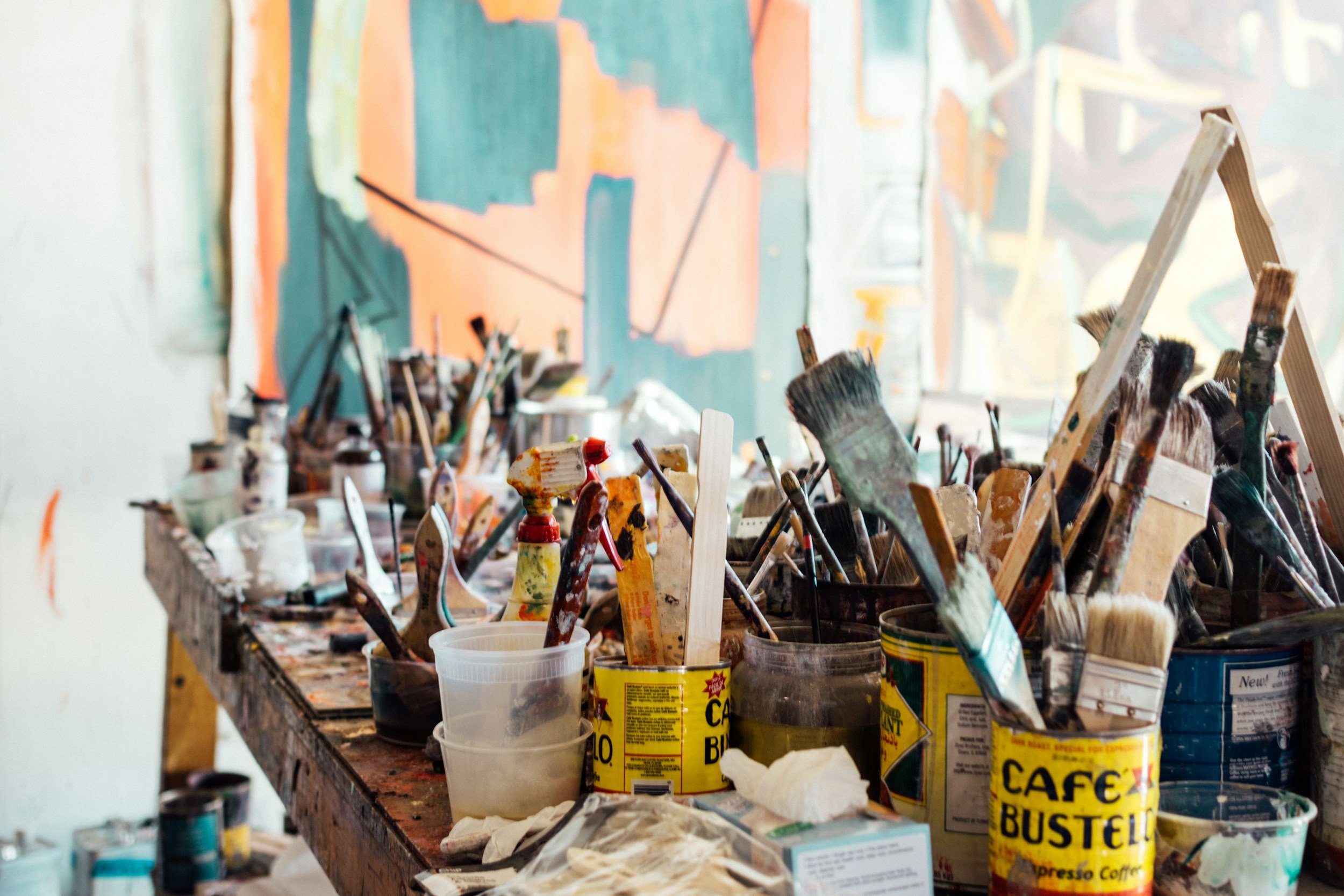
In art therapy, we may use a variety of materials, including paint, collage, pastels, clay, fabric, drawing tools, and more. All materials are provided, so you don’t need to bring anything. If you have any allergies or sensitivities, please let your therapist know. We also recommend wearing clothing that you don’t mind getting a little messy, so you can fully engage in the creative process.
-
No experience is needed at all! Art therapy is about self-expression and exploration, not creating a “perfect” piece of art. Your therapist will guide you through the process, and the focus is always on your experience, not the final product.
-
Absolutely! Art therapy can be used alongside talk therapy to provide additional ways to process feelings and gain insight. Combining approaches can help deepen understanding and offer more tools to support your growth and healing.
-
You don’t need to consider yourself creative to benefit from art therapy. The process is about expressing yourself in your own way—there’s no right or wrong. Even simple marks, shapes, or colors can help you explore emotions and reflect on your experiences.
-
Yes. Art therapy provides a safe and supportive environment to work with challenging emotions at a pace that feels comfortable for you. Your therapist will guide the process, ensuring you feel held and supported throughout.
-
It’s normal to feel unsure or hesitant at first. Your therapist will help you feel comfortable and respected, and you can share as much or as little as you want. Often, simply engaging with the process—even quietly observing or experimenting—can be meaningful and helpful.